How to Buy a Vietnamese Wedding Dress (Ao Dai): A Complete Guide for Brides
Need help finding cultural vendors for your wedding? Check out our curated vendor directory.
If you're planning a Vietnamese wedding or tea ceremony, the ao dai is one of the most meaningful outfits you'll wear. It's timeless, flattering, and deeply rooted in tradition. Figuring out how to actually buy one, though, can be surprisingly confusing.
This guide walks through how to choose the right wedding ao dai, where to get it, and what to watch out for.
What Makes an Ao Dai "Wedding"?
A wedding ao dai is usually more formal than everyday versions. You'll see richer fabrics, embroidery, and symbolic colors like red and gold. Brides often wear it for the tea ceremony and then change into a Western dress for the reception.
Grooms and family members may also wear ao dai, usually in coordinated styles rather than exact matches.
Types of Wedding Ao Dai
Most brides end up choosing between a few directions:
Traditional
Red and gold, often with embroidery or brocade. This is the most classic and symbolic choice, especially for tea ceremonies.
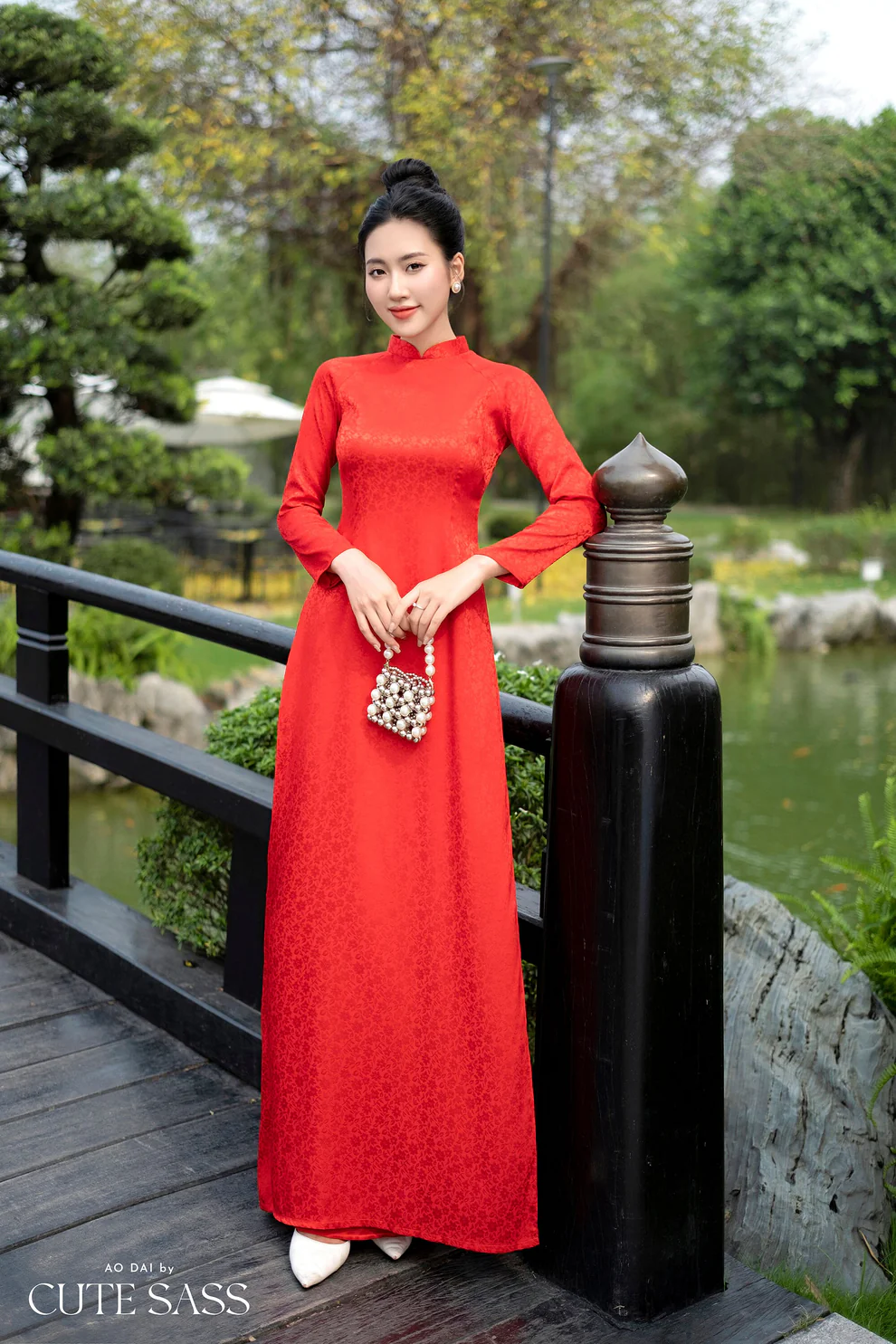
Traditional ao dai from Ao Dai By Cute Sass.
Modern
White, ivory, blush, or pastels with lighter fabrics like lace or chiffon. Feels softer and more contemporary.
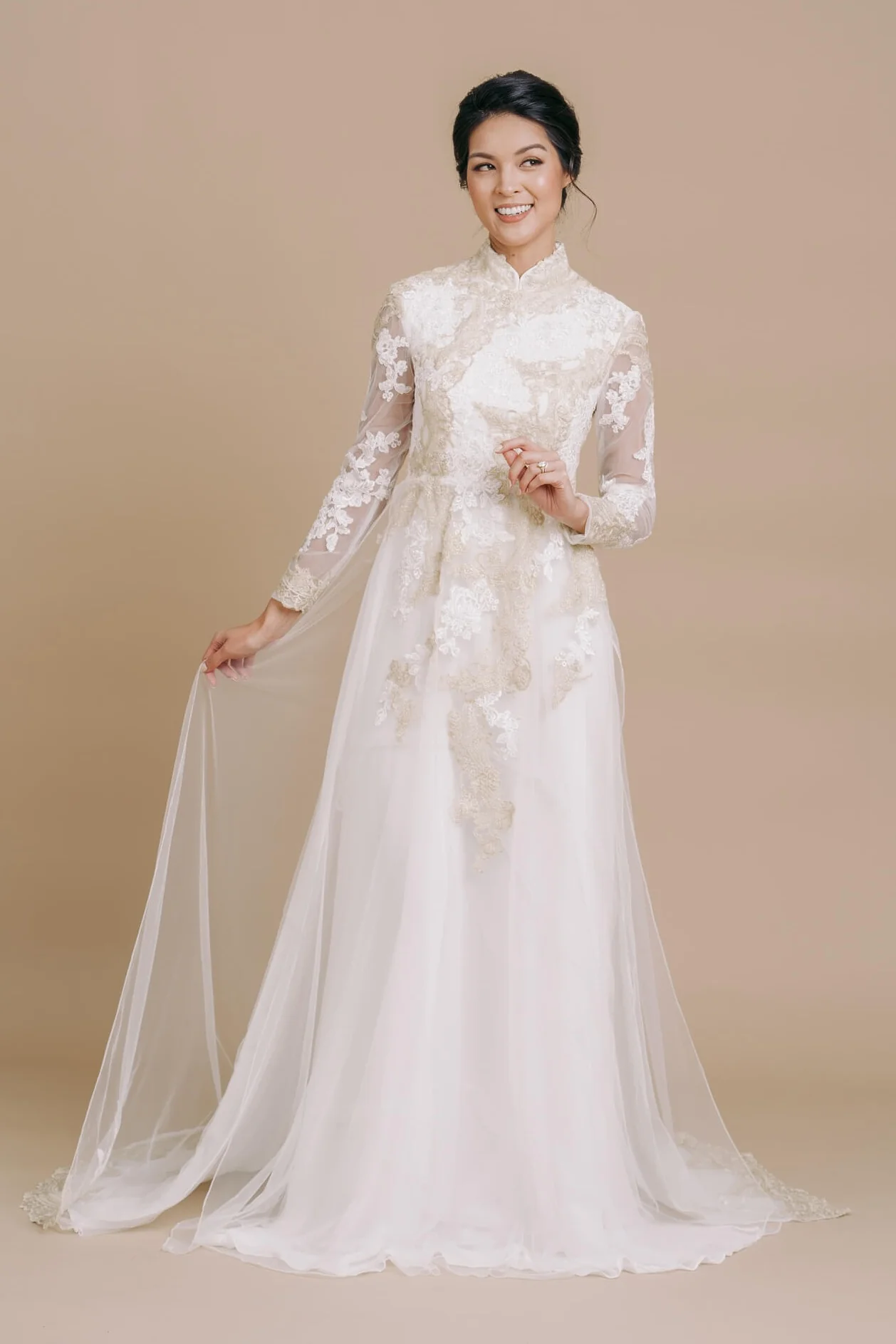
Modern ao dai from East Meets Dress.
Statement
Bolder silhouettes, unique textures, or designer pieces. Less traditional, more fashion-forward.
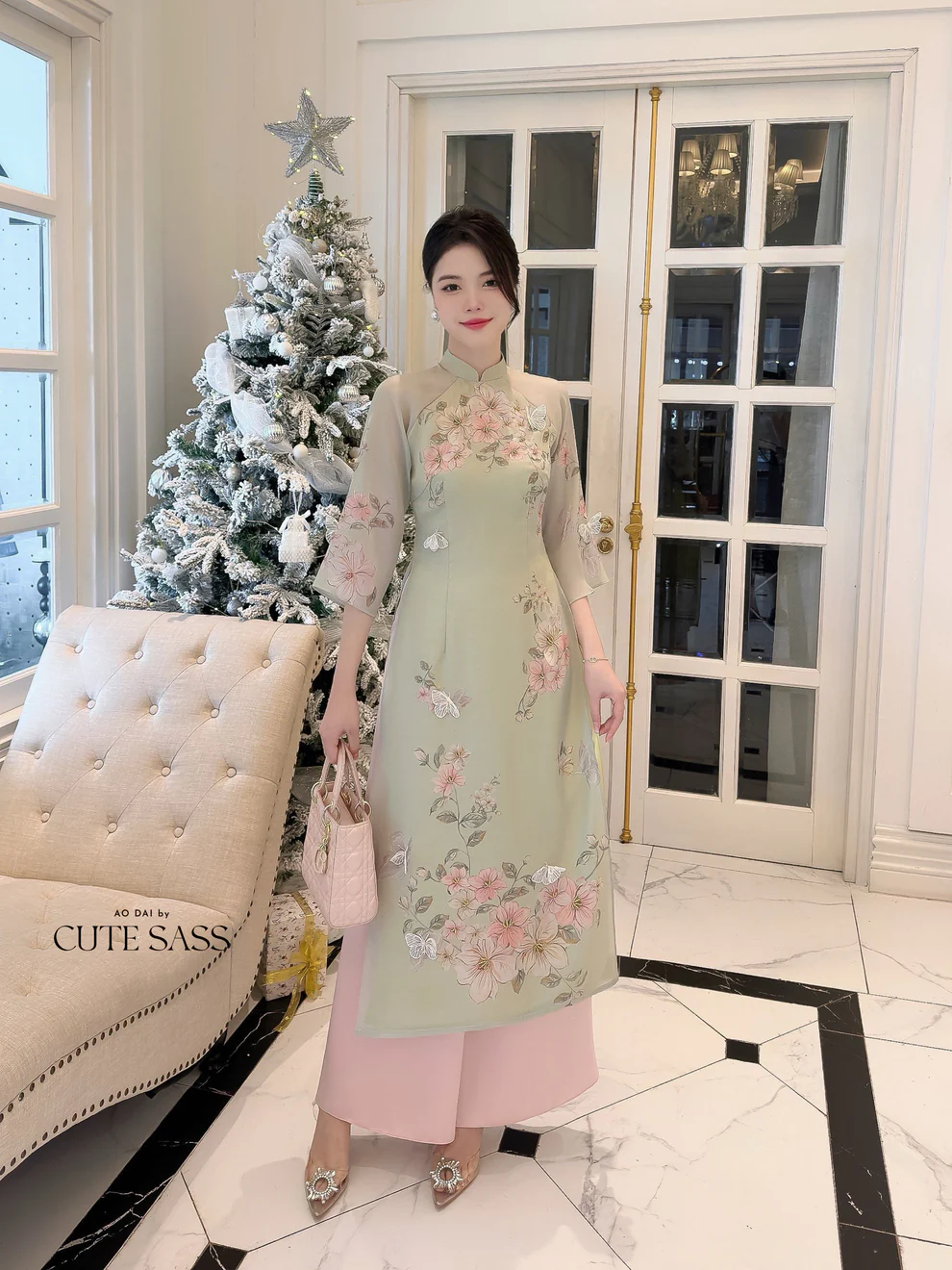
Statement ao dai from Ao Dai by Cute Sass.
For grooms, ao dai tend to be simpler. Family members usually coordinate within a shared palette without matching exactly.
Should You Buy, Rent, or Go Custom?
This is the biggest decision point, and the right answer depends on your timeline and priorities.
Buying makes sense if you want to keep the ao dai or care about having something that fits well right away. Rentals are more affordable and work well if you only plan to wear it once, but options can feel limited. Custom is the best route if you have a specific vision or want the fit to be just right, though it requires more planning.
If you're short on time, renting is usually the safest option. If you already have a clear idea of what you want, custom is worth it.
Where to Buy a Wedding Ao Dai
There are a few common paths people take.
Online shops and Vietnamese designers give you the most variety, especially if you're based in the U.S. The tradeoff is that sizing can be tricky, so you should expect to do some alterations locally.
If you live near a Vietnamese community, local boutiques can be a great option. Places like Orange County, San Jose, and Houston tend to have the strongest selection, and some shops offer both off-the-rack and custom pieces.
If you happen to be traveling to Vietnam before your wedding, it's often the best place to go fully custom. Just make sure you have enough time for fittings and adjustments.
Fit Matters More Than Anything
Ao dai are meant to be fitted. They should follow your shape closely but still allow you to move, sit, and breathe comfortably.
Getting the measurements right is key. Most shops will ask for bust, waist, hips, shoulder width, and length. A common mistake is going too loose, which takes away from the silhouette. Another is not accounting for shoes, which can affect the overall length.
Even if you order online, it's worth planning for some light tailoring once it arrives.
Timeline: When to Order
If you're going custom, aim to start three to six months out. That gives enough time for production and adjustments. Buying online works well one to two months before, as long as you leave room for alterations.
If you're down to the last couple of weeks, renting or finding something off the rack is usually your best option.
Fabric and Comfort
Fabric plays a big role in both how the ao dai looks and how it feels to wear.
Silk and satin are smooth and photograph well, which is why they're so common. Brocade feels more structured and formal. Lace and chiffon tend to be lighter and feel more modern.
If your ceremony will be long or outdoors, comfort matters more than you think. Breathable fabrics can make a big difference.
Choosing the Right Color
Red is the most traditional choice and symbolizes luck and prosperity. Gold is associated with wealth and celebration. White and softer tones lean more modern and understated.
There isn't a single right answer here. It really comes down to how traditional or contemporary you want your wedding to feel.
Styling Your Ao Dai
The smaller details still matter. Pants are usually white or coordinated with the top, and getting the length right helps everything look polished. Shoes are often hidden, but they affect how you stand and move.
Accessories tend to be minimal unless you're leaning into a more traditional look. Hair and makeup usually follow the overall direction you choose.
Coordinating with Family
You don't need everyone in matching outfits, but some level of coordination helps everything feel intentional.
It's usually best to keep the bride visually distinct and have family members stay within a shared color palette. This makes a noticeable difference in photos without feeling overly staged.
Budget Expectations
Pricing varies heavily on whether you rent, buy, or go custom:
- Rentals: approximately $50–$150 in the U.S. and often less in Vietnam. This is usually the most affordable route and a common choice for tea ceremonies.
- Buying: approximately $100–$400 for a ready-made or simpler made-to-measure áo dài. This is the middle ground for couples who want better fit and quality without going fully custom.
- Custom: approximately $300–$1,000+ depending on fabric, embroidery, and designer. More intricate or premium pieces can easily run higher.
It's worth deciding early how much this piece matters to you relative to the rest of your wedding budget.
Common Mistakes to Avoid
- Leaving it too late, especially if you're considering custom.
- Not getting the fit right. Even a beautiful ao dai can look off if it isn't tailored properly.
- Overlooking fabric choice. Heavier materials might look great but can feel uncomfortable in warmer settings.
- Not coordinating with family early enough.
FAQ
Can non-Vietnamese brides wear ao dai?
Yes, as long as it's done thoughtfully and with respect for the cultural context.
Do I need more than one ao dai?
No. Many brides choose to change outfits, but one is enough.
Can I wear it for the reception?
You can, especially if you choose something lighter or more modern.
Quick Checklist
- Decide early whether you're buying, renting, or going custom
- Start at least 1-3 months ahead (earlier for custom)
- Get accurate measurements and plan for alterations
- Choose fabric based on comfort as well as look
- Coordinate colors with family ahead of time
With some planning ahead, finding the right wedding ao dai can be a great chance to connect with your heritage and wear something that genuinely means something.